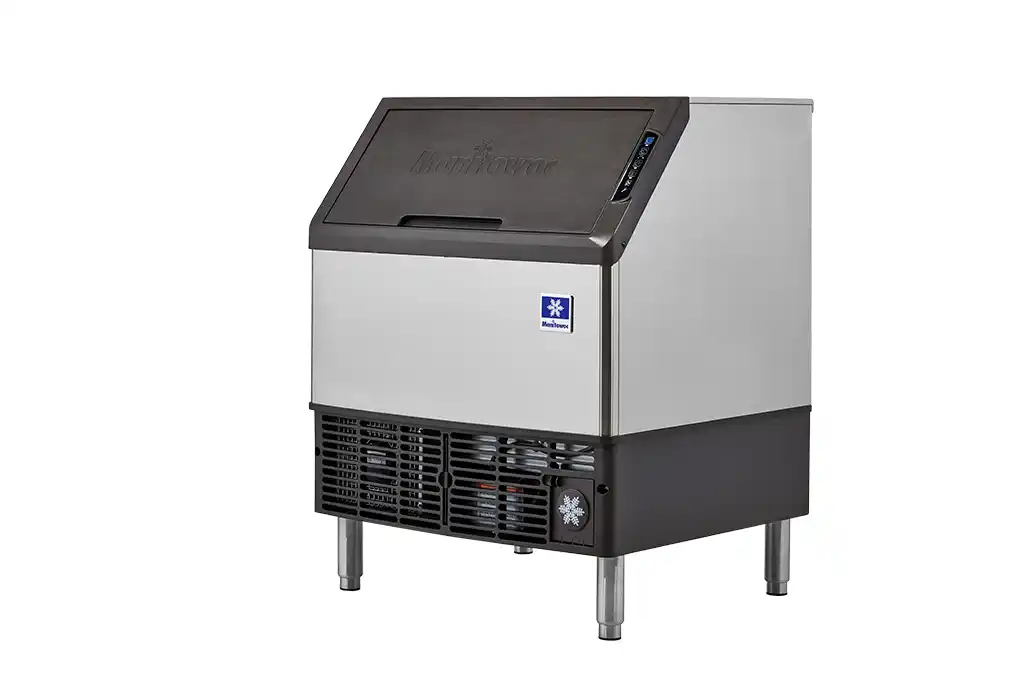
A commercial ice machine that suddenly stops making ice can create serious problems for a busy restaurant, bar, hotel, or other business. Whether you’re preparing drinks, keeping food chilled, or serving customers, a reliable supply of ice is something you probably don’t think much about until it’s gone.
If your commercial ice machine is not making ice, the good news is that the problem isn’t always a major mechanical failure. Sometimes the solution is as simple as restoring water flow, cleaning a blocked filter, or checking the machine’s operating conditions. Other times, professional diagnosis and repair are necessary.
Here are eight common reasons commercial ice machines stop producing ice, what you can safely check yourself, and when it’s time to call a technician.
1. The Ice Machine Isn’t Getting Enough Water
One of the most common reasons a commercial ice machine stops making ice is an inadequate water supply. Without enough water, the machine cannot complete its normal ice-making cycle.
Several issues can interrupt water flow, including a closed supply valve, kinked water line, clogged water filter, or malfunctioning inlet valve.
What to check: Make sure the water supply valve is open and inspect accessible water lines for obvious kinks or leaks. If the machine has a water filter, check whether it’s overdue for replacement.
If the water supply appears normal but the machine still isn’t filling properly, the problem could involve an internal valve, sensor, or water distribution component that requires professional service.
2. Dirty Condenser Coils Are Preventing Proper Cooling
Commercial ice machines generate heat during the refrigeration process, and that heat needs somewhere to go. On air-cooled machines, condenser coils help release heat into the surrounding air.
Over time, dust, grease, and other debris can accumulate on the condenser. This is particularly common in restaurant kitchens, where airborne grease and dust can create a stubborn buildup.
When the condenser becomes dirty, the refrigeration system may struggle to maintain the temperatures necessary for efficient ice production. In some cases, the machine may shut down to protect itself.
What to check: Look for obvious dirt or debris around accessible air intake and exhaust openings. Make sure nothing is blocking the machine’s ventilation.
Condenser cleaning should follow the manufacturer’s instructions. If the coils are heavily contaminated or difficult to access, professional cleaning is the safer option.
3. The Ice Machine Is Freezing Up
It might seem strange that an ice machine could stop making ice because it’s freezing, but excessive ice buildup can interfere with normal operation.
Commercial ice machines are designed to freeze water and then release the finished ice during a harvest cycle. When that process doesn’t work correctly, ice can remain attached to the evaporator or accumulate where it shouldn’t.
Possible causes include malfunctioning temperature sensors, harvest-cycle problems, water-flow restrictions, or refrigeration issues.
What to check: Look for unusual ice buildup inside the machine. If the equipment is displaying an error code, record it before attempting a restart.
Don’t chip ice away from the evaporator with sharp tools. Doing so can damage expensive components. If the machine repeatedly freezes up, a technician should diagnose the underlying cause.
4. The Water Filter Is Clogged
Water filtration plays an important role in commercial ice machine performance. Filters help reduce sediment and other contaminants that can affect ice quality and equipment operation.
As a filter becomes clogged, water flow can decrease. Eventually, the machine may struggle to produce its normal quantity of ice or stop producing ice altogether.
What to check: Review the water filter’s replacement schedule and inspect any available filter indicators. If the filter is overdue for replacement, install the correct replacement according to the manufacturer’s recommendations.
In Minnesota, water hardness and mineral content can vary considerably by location and water source. Proper filtration and routine maintenance help reduce mineral buildup inside commercial ice equipment.
5. The Ice Machine’s Sensors Aren’t Working Correctly
Modern commercial ice machines use sensors and control systems to monitor water levels, temperatures, ice production, and storage-bin conditions.
If a sensor becomes dirty, damaged, or fails electronically, the machine may receive incorrect information about its operating conditions.
For example, a faulty bin-level sensor could indicate that the ice bin is full even when it isn’t. Depending on the machine, this can prevent another ice-making cycle from starting.
What to check: Verify that the ice storage bin isn’t actually full and that stored ice isn’t interfering with the machine’s normal operation. Check the display for error messages or warning lights.
Some sensor problems can be caused by dirt or mineral buildup, while others require replacement parts or electrical diagnosis.
6. The Room Is Too Hot or Airflow Is Restricted
Commercial ice machines need appropriate operating conditions to produce ice efficiently.
If your machine is installed in a hot kitchen, poorly ventilated storage room, or cramped space without adequate clearance, its ice production may suffer.
High ambient temperatures make it harder for air-cooled refrigeration systems to reject heat. The machine may run longer, produce less ice, or experience operating problems.
What to check: Make sure the equipment has the ventilation clearance recommended by its manufacturer. Remove boxes, supplies, or other objects blocking airflow.
Also consider whether nearby cooking equipment, seasonal heat, or changes in the building’s ventilation have affected the machine’s operating environment.
A machine that performs adequately during cooler months may struggle when summer temperatures increase.
7. There’s a Refrigeration System Problem
If your commercial ice machine has water, power, and adequate airflow but still isn’t freezing properly, the refrigeration system may be responsible.
Potential problems include refrigerant leaks, compressor issues, malfunctioning electrical components, or other refrigeration system failures.
These problems can cause an ice machine to produce very little ice, take much longer than normal to complete a cycle, or stop making ice entirely.
What to check: Pay attention to changes in the machine’s normal operation. Is it running continuously without producing ice? Does it make unusual noises? Has ice production gradually declined?
Refrigeration repairs require specialized equipment and training. Don’t attempt to open refrigerant lines or repair refrigeration components yourself.
A qualified commercial ice machine technician can evaluate the system and determine whether repair is practical.
8. The Ice Machine Needs Cleaning or Preventive Maintenance
Sometimes a commercial ice machine stops working because several smaller maintenance issues have accumulated over time.
Mineral deposits, scale, slime, dirty components, and neglected filters can interfere with water distribution, sensors, and normal ice production.
A machine may continue operating despite these problems for months before performance noticeably declines.
Regular cleaning and preventive maintenance help identify developing problems before they become expensive breakdowns.
What to check: Review the machine’s maintenance history. When was it last professionally cleaned and inspected? Have filters been replaced on schedule?
If maintenance has been neglected, a thorough professional cleaning and inspection may help restore performance, provided no components have already failed.
Commercial Ice Machine Running but Not Making Ice?
One particularly frustrating situation occurs when the machine appears to be operating normally but produces little or no ice.
You might hear fans or motors running, see lights on the control panel, and assume the equipment is working. Unfortunately, those signs don’t necessarily mean the machine is completing its ice-making cycle.
If your commercial ice machine is running but not making ice, pay attention to these clues:
- No water entering the machine: Possible water supply, filter, or inlet valve issue.
- Water circulating but not freezing: Possible refrigeration or temperature-control problem.
- Ice forming but not dropping: Possible harvest-cycle or sensor problem.
- Machine shutting down repeatedly: Possible safety shutdown, control issue, or operating-condition problem.
- Ice production gradually declining: Possible dirty condenser, mineral buildup, restricted water flow, or refrigeration issue.
These observations can help a service technician diagnose the problem more efficiently.
When Should You Call for Commercial Ice Machine Repair?
Some problems can be resolved with basic checks, but commercial ice machines are complex pieces of refrigeration equipment. Repeatedly resetting a malfunctioning machine without identifying the cause can delay necessary repairs.
It’s time to contact a professional when your machine repeatedly shuts down, displays persistent error codes, freezes up, leaks water, makes unusual noises, or fails to produce ice after basic water supply and ventilation checks.
You should also schedule service if the machine’s production has dropped significantly or it hasn’t received proper maintenance in an extended period.
For restaurants, bars, hotels, healthcare facilities, and other businesses that depend on ice every day, addressing problems early can help reduce downtime and avoid more expensive repairs.
Commercial Ice Machine Repair in Minnesota and Western Wisconsin
At Artic Ice Systems, we understand how important reliable ice production is to your business. When your commercial ice machine stops making ice, you need answers and dependable service.
We work with commercial ice equipment from leading manufacturers, including Manitowoc, Scotsman, Hoshizaki, Ice-O-Matic, and other major brands.
Artic Ice Systems serves businesses throughout the Twin Cities, northern suburbs, St. Cloud, Brainerd, Willmar, Faribault, and portions of western Wisconsin, including the Barron area.
Whether your machine needs troubleshooting, repair, cleaning, or preventive maintenance, our goal is to help keep your business supplied with the ice it needs.
Keep Your Ice Machine Producing Ice
A commercial ice machine that isn’t making ice doesn’t always need to be replaced. Many problems can be traced to water supply restrictions, dirty components, neglected maintenance, or individual parts that can be repaired or replaced.
The key is identifying the problem before a minor issue turns into an extended equipment shutdown.
If your commercial ice machine is not making ice, don’t wait until an empty ice bin disrupts your business.
Contact Artic Ice Systems for professional commercial ice machine service and repair. We’ll help you determine what’s wrong and what it will take to get your equipment producing ice again.